
Where Does Lanolin Come From?
Lanolin is a natural, waxy substance that comes from sheep’s wool. It is sometimes called wool wax, wool grease, or wool oil, although chemically it is closer to a wax than an ordinary oil. Sheep produce lanolin through sebaceous glands in their skin. As it moves onto the fleece, it coats the individual wool fibers and helps form a protective layer around the wool and the skin beneath it.
This natural coating is one reason sheep are well equipped for demanding outdoor environments. A dense fleece supplies the primary insulation, while lanolin contributes water resistance and helps prevent the fibers from becoming easily saturated. Together, the fleece and its waxy coating help defend the animal against rain, cold temperatures, drying winds, and changing weather conditions.
Lanolin does not generate warmth by itself. Instead, it helps maintain the condition and water-shedding ability of the wool so that the fleece can continue performing its protective role. This is particularly important when sheep are exposed to low temperatures, moisture, and high winds.
How Is Lanolin Collected?
Lanolin is not produced by grinding or processing the wool fibers themselves. It is already present on the fleece when a sheep is shorn. Newly shorn fleece is often called “greasy wool” because it contains wool wax along with dust, dirt, perspiration salts, sand, and other materials collected while the sheep lives outdoors.
Before wool can be spun into yarn or made into fabric, it must be thoroughly cleaned through a process called scouring. During scouring, the wool passes through warm water containing cleansing agents. This separates the wool grease and other contaminants from the fibers. The grease can then be recovered from the wash liquid and refined to remove unwanted dirt, water, odors, and impurities.
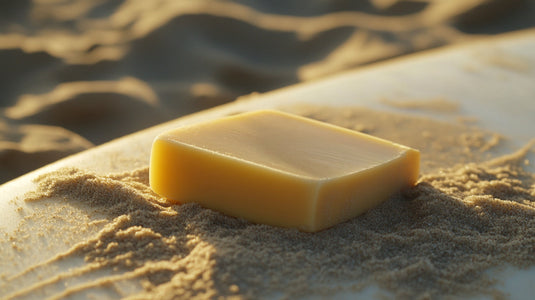
The finished material is purified lanolin, which may be used in balms, ointments, soaps, creams, lip products, and other protective skincare preparations. Because it is recovered while already-shorn wool is being cleaned, lanolin is considered a valuable secondary product of the wool industry.
Why Do Sheep Produce Lanolin?
Sheep may spend much of their lives exposed to rain, snow, freezing temperatures, strong winds, mud, sun, and dry air. Their wool supplies insulation, but the fleece also benefits from a natural coating that helps repel moisture and keep the fibers flexible.
Lanolin performs this role by coating the wool and helping water bead and shed rather than immediately soaking toward the skin. It also helps prevent excessive dryness in the wool and the skin beneath it. During cold or windy weather, a well-conditioned fleece can continue trapping insulating air while providing a physical barrier against harsh environmental conditions.
Lanolin is therefore an important part of the sheep’s natural defense system. The wool provides warmth and coverage, while its lanolin coating helps preserve the fleece so it can continue protecting the animal against moisture, cold temperatures, and high winds.
How Can Lanolin Protect Human Skin?
The same qualities that make lanolin useful to sheep can also make it valuable in skincare. When applied topically, lanolin acts mainly as an emollient and an occlusive ingredient. An emollient helps soften rough skin, while an occlusive forms a protective layer that slows the evaporation of water from the skin’s surface.
By reducing moisture loss, lanolin can help dry areas remain softer and more comfortable. This may be especially useful for hands, knuckles, elbows, heels, cuticles, and other areas frequently exposed to wind, cold weather, repeated washing, or dry indoor air.
Lanolin’s thick texture also allows it to remain on the skin longer than many lightweight lotions. This makes it particularly useful in concentrated balms, salves, and protective ointments. Lanolin can also hold water, allowing it to work effectively in formulas that combine oil- and water-based ingredients.
A Practical Purpose
Lanolin appeals to many people because its usefulness begins in nature. Sheep produce it to help protect their skin and preserve their wool. It is then recovered during the cleaning of shorn fleece and refined into an ingredient that can help support and protect human skin.
Natural does not necessarily mean suitable for everyone. Some people may experience irritation or an allergic reaction to lanolin, so testing a small area before widespread use is sensible.
Lanolin ultimately comes from the natural relationship between sheep, their wool, and their environment. The waxy oils that help defend sheep against rain, cold temperatures, and high winds can also be carefully refined for effective use on human skin. This connection—from protective fleece to protective skincare—is what makes lanolin such a distinctive and useful natural ingredient.